Traditional productivity tracking is manual, time-consuming, and often inaccurate.
Managers end up relying on gut feelings instead of real data. Employees either over-report or under-report their work, and in the end, productivity insights become guesswork.
Enter the AI-powered productivity tracker — a tool that not only records work but analyzes performance patterns, predicts workflow bottlenecks, and offers actionable insights.
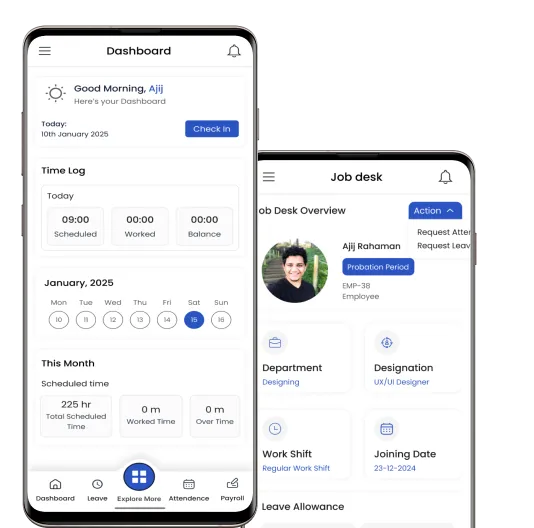
When connected with face recognition attendance systems and employee tracking apps, it transforms into a complete workforce management powerhouse.
What is an AI-Powered Productivity Tracker?
An AI-powered productivity tracker is software that uses machine learning to:
- Measure employee work activity
- Identify productivity patterns
- Provide real-time performance analytics
- Suggest improvements
It’s not just about tracking time — it’s about optimizing time.
Key Features of an AI-Powered Productivity Tracker
1. Automated Activity Monitoring
Tracks applications, websites, and tasks employees work on — without manual input.
2. Intelligent Work Pattern Analysis
AI detects productive vs. unproductive time, breaks, and multitasking inefficiencies.
3. Integration with Attendance Systems
When combined with an employee attendance management system or face scanning attendance system, it links productivity with attendance.
4. Performance Reports & Insights
Generates personalized productivity scores for each employee or team.
5. Workflow Optimization Suggestions
Recommends ways to work more efficiently based on historical data.
Why AI Beats Manual Productivity Tracking
| Aspect | Manual Tracking | AI Productivity Tracker |
| Accuracy | Low | High |
| Effort | High | Low |
| Insights | Basic | Advanced |
| Predictive Analysis | None | Yes |
| Integration | Limited | Seamless with attendance & tracking tools |
Benefits of an AI-Powered Productivity Tracker
1. Increased Efficiency
AI identifies patterns and suggests process improvements.
2. Data-Driven Decision Making
Managers can assign workloads based on actual performance data.
3. Remote & Hybrid Team Management
Perfect for managing productivity across locations.
4. Employee Self-Improvement
Employees get their own performance dashboards for self-assessment.
5. Fraud Prevention
When paired with employee computer monitoring software, it ensures accurate reporting.
Integrating Productivity Tracking with Attendance & Monitoring
The real game-changer is combining AI productivity tracking with:
- Face Recognition Attendance System for accurate presence verification.
- Employee Tracking App for location and shift data.
- Employee Attendance Management System for complete workforce analytics.
This creates one ecosystem where you can see:
- Who’s working (attendance)
- Where they’re working (location tracking)
- How effectively they’re working (productivity tracking)
Best Practices for Implementing an AI Productivity Tracker
1. Be Transparent
Explain to employees that the goal is to improve workflows, not spy.
2. Integrate Gradually
Start with core teams before rolling out company-wide.
3. Customize Productivity Metrics
Not every role measures productivity the same way — tailor metrics for each job type.
4. Protect Privacy
Choose tools that comply with GDPR and other data protection laws.
Industries That Benefit Most
- IT & Software Development – Task tracking and output measurement
- Customer Service – Call handling and ticket resolution time
- Sales Teams – Lead follow-up efficiency
- Marketing Agencies – Campaign tracking and creative workflows
- Remote Companies – Productivity without physical supervision
The Future of AI Productivity Tracking
Upcoming innovations will include:
- Predictive burnout detection
- AI task delegation
- Emotional analysis for team well-being
- Deep integration with payroll and HR systems
Conclusion: Productivity Reimagined
An AI-powered productivity tracker isn’t just about measuring time — it’s about maximizing impact.
When linked with AI face attendance, employee tracking apps, and employee attendance management systems, it creates a complete view of employee performance.
In short: It’s the smartest way to work smarter.